

This shadowy internet has long captivated many interest of online users, frequently depicted like a hidden realm filled of illegal activities as well as mysterious figures. Being a component of the broader web that demands specialized programs and settings to connect to, the dark web acts as a platform for products as well as services that are largely unregulated and outside the scrutiny of traditional law enforcement. From everything ranging to illicit drugs as well as fake currencies and confidential information as well as privacy solutions, dark web markets can offer a broad array of choices, drawing interest from possible customers and vendors alike.
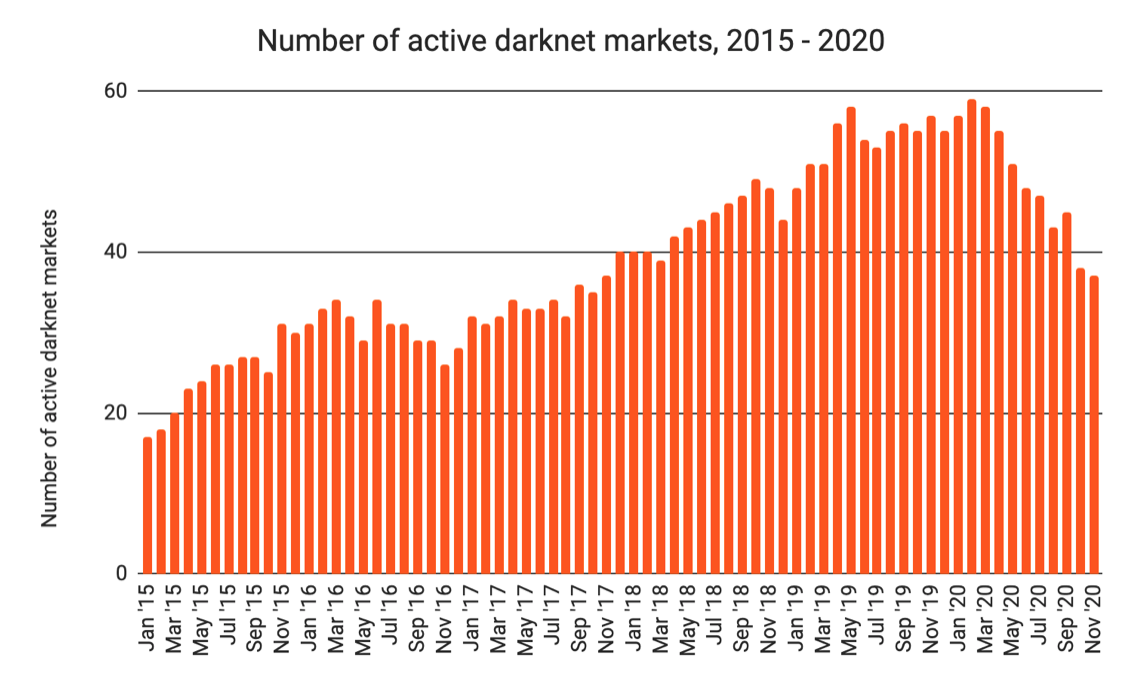
However, exploring the dark web comes with significant risks as well as moral challenges. While some may venture into these markets seeking privacy and access to restricted information, the risks are real. Scams and deceptive listings are widespread, and law enforcement organizations around in world are continuously watching these sites to crack down on unlawful actions. Navigating the dark web can lead to unexpected outcomes, making it imperative for users to be aware about the realities they face in this lawless virtual landscape. Comprehending these elements is crucial in weighing the possible gains against the intrinsic dangers associated with engaging in dark web markets.
Comprehending the Hidden Web
The dark web is a part of the internet that needs particular software to reach, frequently obscured from mainstream search engines. This secret segment functions on an secure connection, permitting users to surf privately. It is commonly linked with illicit activities, but it also contains forums for security, activism, and expression in repressive regimes.
While the dark web can be a refuge for illicit transactions, it is important to understand that not everything on the dark web is evil. Numerous sites focus on privacy protection and the exchange of information that may be censored in particular countries. These platforms provide a venue where individuals can seek refuge from surveillance and censorship, showcasing the twofold nature of the dark web.
Traversing the dark web presents challenges and risks for users. The environment is full with scams, malicious software, and law enforcement monitoring. Those who decide to explore this hidden part of the internet must exercise caution and be mindful of the potential legal ramifications and hazards that follow engagements on dark web platforms.
Threats of Darknet Markets
Participating with dark web markets presents significant dangers, both law-related and individual. The anonymity offered by the darknet can attract illicit activity, such as the sale of forbidden drugs, weapons, and stolen data. Users face exposure to law enforcement, as many countries vigorously monitor these platforms. Being caught purchasing illegal items can lead to severe legal consequences, including arrest and prosecution.
Beyond legal dangers, there are also risks related to digital security. These platforms can be breeding grounds for fraud and malicious activities. Users may encounter deceitful sellers who take payments but never provide goods. Additionally, accessing to these markets can make individuals vulnerable to hacking or data theft, as malicious actors exploit the absence of security and regulation on the dark web.
Moreover, the potential for exposure to disturbing content is a serious concern. The dark web is not just a marketplace for illegal goods; it is also a repository for disturbing material. darkmarket list might unintentionally stumble upon shocking images or videos that can be emotionally troubling. This encounter can have lasting effects on mental health, highlighting the importance of recognizing the risks before stepping into these unregulated online spaces.
Possible Gains and Realities
Engaging with dark web markets has the potential to offer significant rewards for participants looking for rare products or services. The secrecy enabled by the hidden web allows individuals to obtain items that are commonly limited or regulated in the traditional market. This includes anything from unique collectibles to privacy-oriented technologies that serve users worried about monitoring and information security. In specific cases, these markets also offer a space for non-traditional economic exchanges, permitting users to engage in trade beyond the constraints imposed by standard financial systems.
Nonetheless, walking through the darkweb is fraught with hazards that potential users must take into account. The lack of regulation exposes buyers and sellers to scams, trickery, and law-related consequences. Law enforcement agencies watch these markets, and participating in illegal activities can lead to severe criminal charges. Additionally, many deals occur with cryptocurrencies, which, though providing a level of anonymity, are also prone to price fluctuations and hacking, putting users' economic security at risk.
Ultimately, the truths of darkweb markets present a complicated landscape that the potential for reward exists coupled with significant threats. Users must weigh the lure of accessing unique products measured against the probability of encountering deception, criminal issues, or possibly individual harm. Those who choose to venture into these markets should do so with vigilance, remaining informed about the constantly changing risks and ready to navigate the outcomes of their decisions.